The Timeless Charm of Arabic Majlis: Tradition Meets Modern Elegance
The Arabic Majlis, a word meaning “a place of sitting” in Arabic, represents much more than just a seating area — it is a deep-rooted cultural tradition that reflects the values of hospitality, community, and togetherness in Arab society. Found in homes across the UAE, Saudi Arabia, and other Gulf countries, the Arabic Majlis is a dedicated space where families gather, guests are welcomed, and conversations flow over coffee, dates, and laughter. In recent years, this traditional concept has beautifully evolved, blending modern aesthetics with classical design.
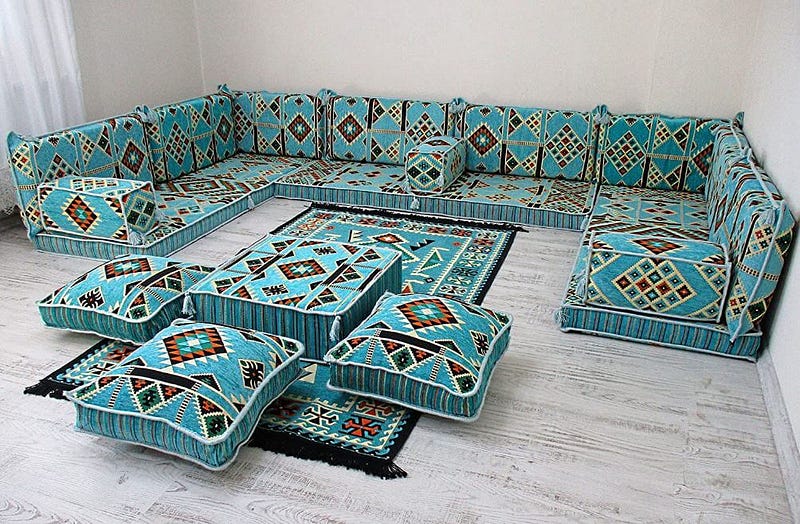
A Space Built on Hospitality
At the heart of the Arabic Majlis is hospitality. It’s a space where guests are received with warmth and respect, often reserved for special occasions, celebrations, or simply daily social interaction. Unlike typical Western living rooms, Majlises are often more spacious, with floor seating or plush sofas arranged around the perimeter to encourage face-to-face conversation. Traditional Arabic coffee (gahwa), sweets, and dates are customary offerings that symbolize respect and warmth.
Traditional Design Elements
Traditional Majlis interiors are a visual delight, rich in color, texture, and intricate detailing. You’ll often find:
Low-level cushioned seating (diwan or sedari) around the room.
Bold patterns and luxurious fabrics such as velvet and brocade.
Carved wooden decor, arches, and mashrabiya screens.
Oriental rugs and layered textiles for added warmth.
Decorative lighting, like hanging lanterns or ornate chandeliers.
Calligraphy and Islamic art adorning the walls.
These elements together create a cozy, opulent environment that reflects Arab identity and tradition.
Contemporary Majlis: A Modern Revival
With changing lifestyles and design trends, the Arabic Majlis has undergone a graceful transformation. Modern Majlises retain the spirit of tradition but with updated aesthetics — neutral palettes, minimalist lines, and smart lighting. Instead of floor seating, many now incorporate modular sofas and multifunctional decor that align with contemporary living.
In homes with multicultural influences, designers often create hybrid spaces — mixing Arabic elements like mosaic tiles or geometric patterns with Scandinavian or modern minimalist styles. This fusion not only preserves heritage but also caters to modern-day functionality.
Cultural and Social Importance
Beyond its design, the Majlis plays a critical social role. It’s a space for community decisions, family discussions, and storytelling. In many traditional households, men and women have separate Majlises, respecting cultural customs. It also functions as a place where elders pass down wisdom and traditions to younger generations — strengthening family ties and cultural identity.
In the UAE, the Majlis is so integral that even public buildings and offices may feature Majlis-inspired waiting areas, showcasing its importance across all levels of society.
Conclusion
The Arabic Majlis Dubai is more than just a room — it’s a reflection of the Arab world’s essence. While styles and materials may evolve with time, its core values of hospitality, unity, and tradition remain constant. Whether you prefer a classic look or a modern interpretation, incorporating a Majlis into your home connects you with a timeless cultural legacy that continues to inspire interiors around the world.
.jpg)
.jpg)

Comments
Post a Comment