The Ultimate Guide to Upholstery Fabrics: Choosing the Right Material for Your Furniture
When it comes to designing and decorating your home, furniture plays a pivotal role in creating a welcoming and functional environment. Upholstery fabrics are essential not only for the comfort of your furniture but also for its aesthetic appeal. With so many options available in terms of texture, color, durability, and maintenance, choosing the right fabric can be overwhelming. In this blog post, we will explore the different types of upholstery fabrics, how to choose the best one for your needs, and the factors to consider when making this important decision.
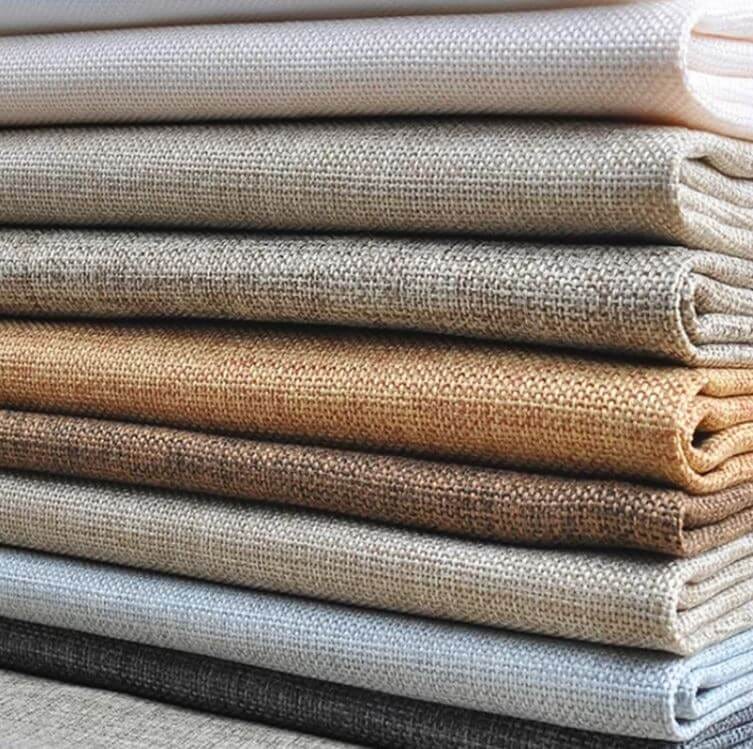
Understanding Upholstery Fabrics
Upholstery fabrics are the materials used to cover furniture pieces such as sofas, chairs, and cushions. The fabric covers not only protect the underlying furniture but also contribute significantly to its visual appeal. The right upholstery fabric should strike a balance between durability, comfort, maintenance, and style. It’s essential to consider both the practical and aesthetic qualities of the fabric to ensure your furniture will last while complementing your home décor.
Types of Upholstery Fabrics
There are several types of upholstery fabrics to choose from, each with unique characteristics. Let’s break them down into the most popular categories:
Natural Fabrics
- Cotton: A popular choice due to its softness and breathability, cotton is comfortable but prone to wrinkles and stains. It’s a great option for casual settings but may not be ideal for high-traffic areas unless treated with stain-resistant finishes.
- Linen: Linen is another natural fabric known for its light, crisp feel and cool texture. However, it is more delicate than cotton and can be prone to wrinkles and fading under direct sunlight. Linen is perfect for more formal or relaxed interiors.
- Wool: Wool is durable, warm, and highly resistant to wear and tear. It’s also naturally flame-resistant, making it a great choice for safety-conscious homeowners. Wool upholstery can be quite luxurious but requires careful maintenance to avoid pilling.
Synthetic Fabrics
Polyester: A highly durable and affordable option, polyester resists stains and wrinkles while offering a soft texture. It’s easy to maintain and can mimic the appearance of natural fabrics, making it a versatile choice for most homes.
Nylon: Known for its toughness, nylon is resistant to abrasion, making it ideal for high-traffic areas. It is also moisture-resistant and maintains its color well over time, making it a great choice for furniture that sees frequent use.
Acrylic: Acrylic upholstery fabrics are often blended with other fibers to enhance durability and resistance to fading. It’s lightweight, breathable, and resistant to mildew, making it suitable for both indoor and outdoor furniture.
Blended Fabrics
Many upholstery fabrics are blended, combining natural and synthetic fibers to balance comfort and durability. For example, cotton-polyester blends combine the softness of cotton with the easy-care properties of polyester, offering a fabric that’s both luxurious and practical.
Factors to Consider When Choosing Upholstery Fabrics
Durability: If you have children or pets, it’s essential to choose a fabric that can withstand heavy use. Synthetic fabrics like polyester and nylon are excellent for their durability, while natural fabrics such as wool and cotton may need additional protection or treatment.
Maintenance: Consider how easy the fabric is to clean. Fabrics like leather and faux leather can be wiped clean with ease, while more delicate materials like linen or silk require careful care and regular cleaning to maintain their appearance.
Style and Aesthetic: The fabric you choose should complement your interior décor. Natural fabrics like linen and cotton tend to have a more relaxed, rustic appeal, while synthetic materials often offer a more polished, modern look.
Comfort: Upholstery fabrics affect the overall comfort of your furniture. Soft fabrics like velvet and cotton provide a plush feel, while more durable materials like leather and microfiber may offer a firmer seat but have their own unique advantages in terms of longevity.
Environmental Impact: If sustainability is important to you, consider eco-friendly fabrics like organic cotton or fabrics made from recycled materials. Many brands also offer fabrics made from natural fibers that are biodegradable and environmentally friendly.
Conclusion
Choosing the right upholstery fabric Dubai for your furniture is a decision that requires careful consideration. Whether you prioritize durability, comfort, or aesthetics, there’s a fabric that suits your lifestyle and home décor preferences. Understanding the different types of fabrics and their respective benefits will help you make an informed decision that ensures your furniture lasts for years while maintaining its beauty and functionality.
.jpg)
.jpg)

Comments
Post a Comment