Foam Filling: A Comprehensive Guide to Its Uses and Benefits
Foam filling is a versatile and efficient solution widely utilized across various industries for insulation, cushioning, sealing, and structural support. Its adaptability and effectiveness make it a preferred choice in applications ranging from construction and automotive to furniture and packaging. This blog delves into the key aspects of foam filling, its benefits, and its diverse applications.
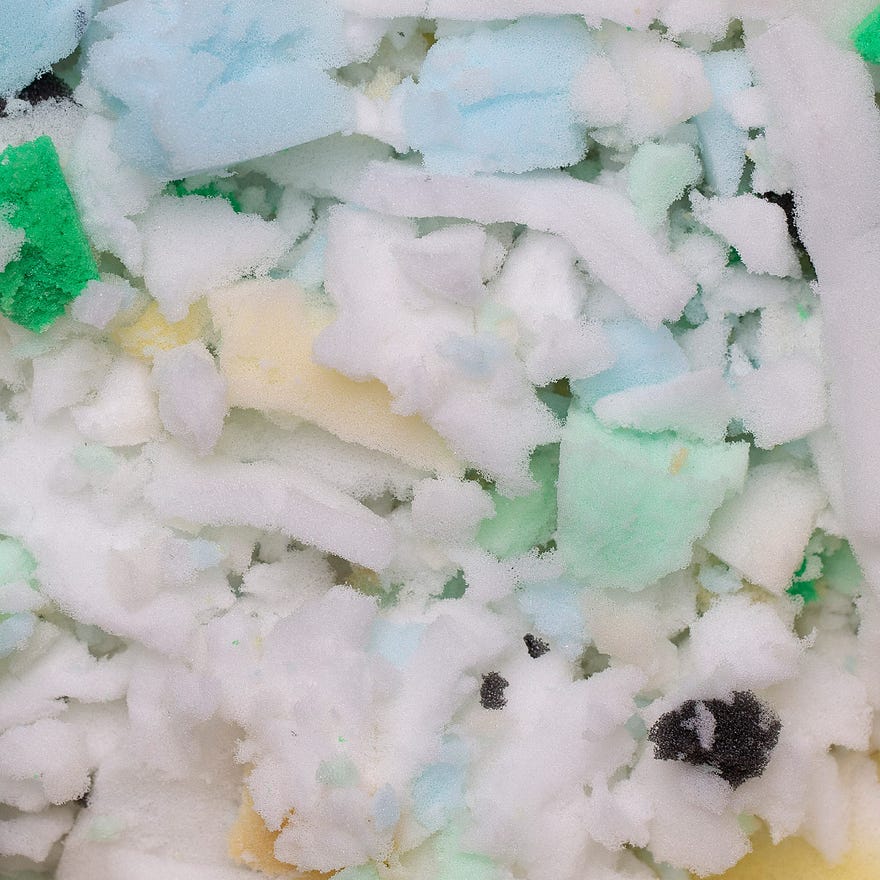
What is Foam Filling?
Foam filling involves the injection of liquid or semi-liquid foam material into a designated area, where it expands and hardens to form a durable and lightweight structure. Common types of foam used include polyurethane, polystyrene, and polyethylene. Depending on the application, the foam can be tailored to achieve specific properties such as rigidity, flexibility, or high-density support.
Benefits of Foam Filling
Enhanced Insulation
Foam filling is highly effective in thermal and acoustic insulation. Its dense structure minimizes heat transfer and sound penetration, making it ideal for walls, floors, and ceilings in buildings.
Lightweight Yet Strong
Foam is remarkably lightweight yet provides significant structural support. This combination makes it a popular choice for industries that prioritize weight reduction, such as aerospace and automotive.
Cost-Effective Solution
The application of foam filling often reduces material wastage and labor costs. Its durability also minimizes long-term maintenance expenses.
Customizable Properties
Foam can be engineered to meet specific requirements, whether for cushioning, buoyancy, or high-strength applications.
Eco-Friendly Options
Many modern foam filling solutions are developed with sustainability in mind. Recyclable and biodegradable options are becoming increasingly available, reducing the environmental impact.
Applications of Foam Filling
Construction and Insulation
Foam filling is extensively used in the construction industry for cavity wall insulation, sealing gaps, and preventing air and water infiltration. It helps improve energy efficiency in buildings by maintaining consistent indoor temperatures.
Automotive Industry
In vehicles, foam filling is used to reduce noise, vibration, and harshness (NVH). It also enhances crashworthiness by absorbing impact energy in the event of a collision.
Marine Applications
Closed-cell foam filling is popular in marine settings for flotation devices, boat hulls, and pontoons. Its water-resistant properties ensure durability in wet environments.
Furniture and Packaging
Foam filling is commonly found in upholstered furniture for cushioning and support. In packaging, it provides excellent shock absorption, protecting fragile items during transit.
Roads and Infrastructure
High-density foam filling is employed to stabilize soils and fill voids in road construction and infrastructure projects. It helps prevent soil erosion and supports weak ground.
The Foam Filling Process
The foam filling process typically involves the following steps:
Preparation: The area to be filled is cleaned and prepped to ensure proper adhesion.
Mixing: Liquid components are mixed, initiating a chemical reaction that creates foam.
Application: The foam is injected into the target area where it expands to fill the space.
Curing: The foam hardens over time, creating a strong, stable structure.
Conclusion
Foam filling Dubai is a highly adaptable and effective solution for a wide range of applications. Whether you’re looking to insulate a building, cushion fragile items, or enhance vehicle safety, foam filling offers a reliable and cost-efficient option. As technology advances, the development of more eco-friendly and innovative foam materials continues to expand the possibilities of this remarkable product.
.jpg)
.jpg)

Comments
Post a Comment